
The Salento: Lecce, Otranto, and the Tip of Italy's Heel
Six of the hotels in this guide are in the deep south below Lecce. Here's the baroque capital, the two coasts, the wineries and tables worth the drive, and the land's end where the seas meet.
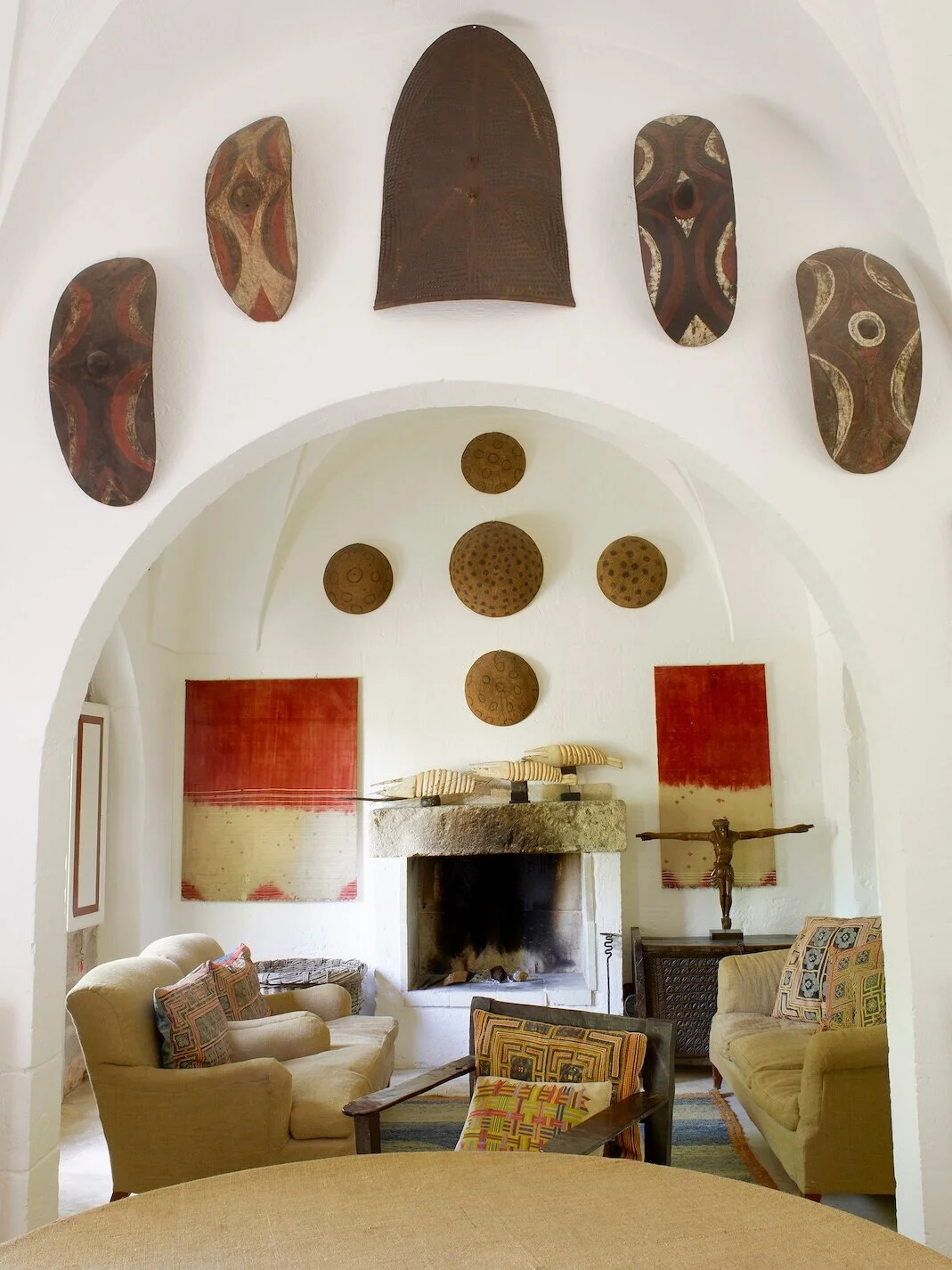
The Salento is the flat, hot, two-sea'd tip of the heel, and its capital is Lecce — the "Florence of the south," carved almost entirely from soft golden pietra leccese into baroque so deep it looks piped on, the façade of the Basilica di Santa Croce its showpiece; in Piazza Sant'Oronzo a Roman amphitheater sits half-excavated among the cafés. The trick in Lecce is to walk past the obvious. Skip the gelato on the main square and find the city in its workshops and kitchens: Bottega Mario Di Donfrancesco, on Via D'Amelio just off Sant'Oronzo, where a third-generation master still shapes cartapesta — Lecce's papier-mâché saints — by hand. Forget the tasting menus — the most Lecce meal in town is at Trattoria Le Zie, a half-century-old institution doing the cucina povera, the "poor man's cooking," that the city actually eats. Breakfast is a pastry: the pasticciotto, warm custard in a shortcrust shell, best chased to its source in nearby Galatina at Pasticceria Andrea Ascalone, baking since 1740 and claiming, with some authority, to have invented it. Lecce is the base for Palazzo Daniele, the Convento, La Fiermontina and Trapanà.
 |  |
East, on the Adriatic, Otranto is the easternmost town in Italy — a white port around a Norman cathedral with two things worth the stop: a floor that is one vast twelfth-century mosaic, a Tree of Life crawling with elephants, zodiac signs and King Arthur, laid by a monk named Pantaleone; and, behind glass, the bones of the eight hundred townspeople beheaded by an Ottoman raiding party in 1480. Eat at LaltroBaffo, the Conte family's table between the castle and the cathedral, which has quietly become the best contemporary cooking in town. North of Otranto the coast breaks into low cliffs and clear coves — the side to choose when the sirocco isn't blowing.
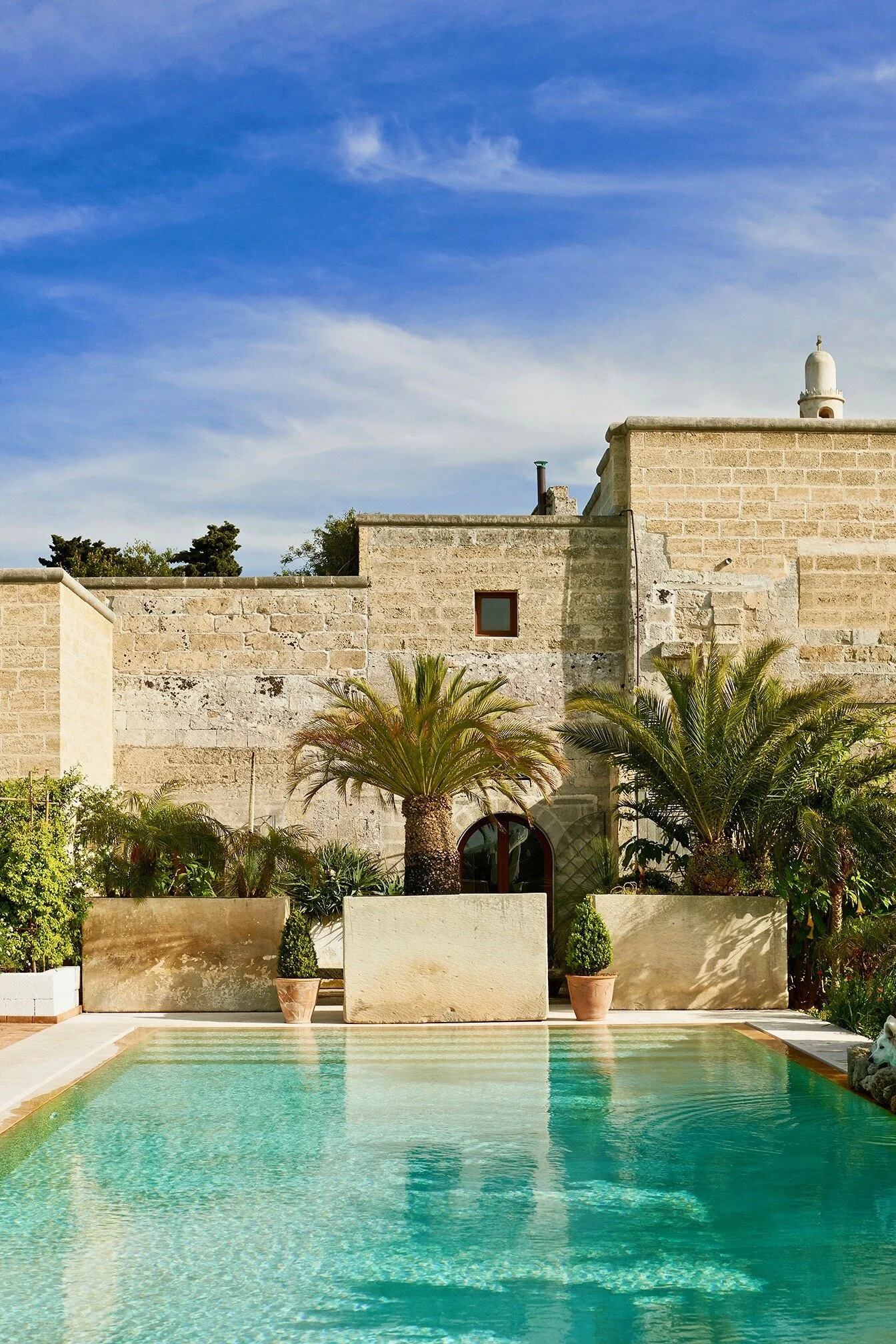
South, the land thins to Santa Maria di Leuca, where the Adriatic and the Ionian meet in a line you can pick out from the lighthouse steps; nearby Gagliano del Capo, where Palazzo Daniele stands, runs the summer art event Capo d'Arte. Round on the Ionian side, Gallipoli keeps its old town on an island, ringed by working boats and a morning fish market where the catch is sold off the ice — eat it that evening as crudo at AMU, out on the sea walls. The old-town ramparts are touristed, yes, but this is the seafood the fish market itself would point you to, not the photo-menu version two doors down. The dune beaches just south, Punta della Suina and Baia Verde, are the ones the Salento fills up for in August and empties beautifully in June and September. This stretch is Tenuta Negroamaro’s.

It's serious wine country, too, and the cantine that matter will let you in. In Salice Salentino, Leone de Castris has made wine since 1665 and bottled Italy's first commercial rosé, the Five Roses, in 1943 — book the cellar tour and the tasting. Up around Manduria, where Masseria Potenti farms, the Produttori Vini Manduria cooperative runs a museum of Primitivo set inside its old fermentation cisterns, with a sommelier-led tasting at the end — the best single way to understand the big, dark Primitivo di Manduria. For something between, Cantine Due Palme at Cellino San Marco does a straightforward vineyard walk and tasting. The grapes to know are Negroamaro, the "black bitter" that names Tenuta Negroamaro; Primitivo; and the rosato the region was pouring long before rosé was fashionable.
The Salento keeps its own culture loudly — the pizzica, the fast trance-dance descended from the tarantella, still erupts at village festivals and crescendos every August at the Notte della Taranta, the enormous free concert at Melpignano. The deep south rewards a slow loop more than a single base: Lecce for the baroque and the breakfast pastry, the cliffs above Otranto when the tramontana blows, the Ionian beaches around Gallipoli when it doesn't, Leuca at the bottom to stand where the seas meet. Drive it over a few unhurried days — and wherever you stop, go to the named door: the 1740 oven, the master's cartapesta bench, the cooperative that still presses the family Primitivo. That's the Salento worth the trip; the postcard version is only the part you can see from the car.